What is Public Health?
Public Health is...
The science and art of preventing disease, prolonging life, and promoting health. It focuses on improving the health of entire populations - ranging from neighborhoods to global communities - rather than treating individual patients. We include some examples of public health impact below.
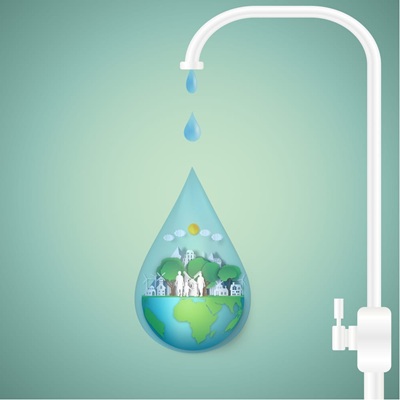
Clean Water
Through 2,600 drinking water systems, Connecticut provides drinking water to over 2.7 million people each day. Connecticut is committed to treatment, monitoring, source protection, and consumer education.
Infectious Disease
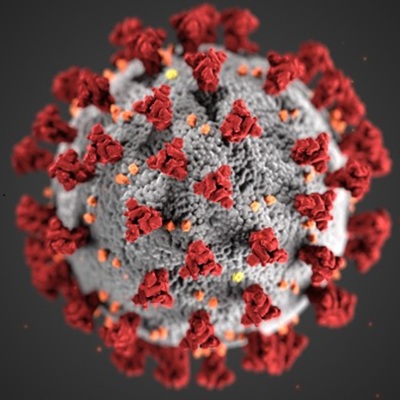
Immunization is the best protection against infectious disease. It also saves money and lowers medical costs. For every $1 Connecticut invests in just the DTP vaccine (Diptheria, Tetanus, and Pertussis), it saves $6.21. Every year since 1996, Connecticut has ranked in the top 5 states in the nation for on-time childhood vaccinations.
Clean Air and Renewable Resources
Diesel emissions within the state cause 200 premature deaths, 300 heart attacks, 4,000 asthma attacks, and costs the state $100 million in non-fatal health impacts per year. Because of this, Connecticut has been working on a Clean Diesel Initiative to achieve near term pollution reductions and a 75% reduction in particulate matter.
To combat global warming, Connecticut is working to have at least 23% of its power from renewable resources by 2020. Connecticut is also working to increase its renewable energy supply by 150 megawatts over current capacity.

Mentoring and Education
Connecticut is home to three higher education schools of public health, offering graduate and undergraduate classes. The CPHA Mentoring Organization Registry is also leading the way to bring public health to the 172,000 high school and 60,000 community college students in Connecticut.

Advocacy
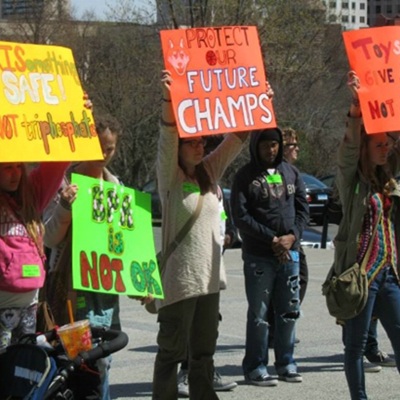
CPHA works alone and with a coalition of health organizations to achieve legislative success to improve the health of Connecticut's population. This year, CPHA has focused on bills ranging from the elimination of BPA from receipt paper to a bill which would require businesses to offer paid sick days to their employees.
Environmental Health
Connecticut's waste facilities process over 500 tons of waste each day, amounting to more than 2 million tons of waste per year. Much of it is processed in waste-to-energy facilities which produce 630 million kilowatts of energy each year and reduces garbage volume by 90%. Connecticut also has recycled metal, glass, paper, plastic and electronic equipment. Since 1999, Connecticut has recycled 1.7 million pounds of electronic equipment.